A documentary film on the conditions and movements of the working class in the industrial belt surrounding Delhi.
Part 1 looks at living and working conditions.
Part 2 focusses on the recent struggle of the Maruti workers.
Part 3 explores questions of organisation and self-activity of the working class.
Blog
-
India: On the Threshold: Class Struggle in Delhi, दहलीज़ पर: दिल्ली में वर्ग सघंर्श
-
Statement on Loksabha Elections by eminent writers
As India heads towards another general election soon we, the undersigned, would like to warn the people of India about the rising danger of bigotry, communal divide, organised violence on and hatred for sections of people in the country.At a time when conflicts are on the increase worldwide and both the global and national economy are in deep crisis due to falling incomes, rising inflation and unemployment there is a search for a ‘messiah’, a superman who will save us all and restore lost glory or take us towards new ones very soon.We have been subjected to a media blitz in recent times to convince us that Narendra Modi is the man we need now. This corporate media campaign has already overawed the Bhartiya Janta Party to surrender before the ‘Strongman of Gujarat’. He is being portrayed as a man who has the solution for all the complex economic, social and cultural challenges the country faces today. Modi’s infamous role in the massacre of over 3000 Muslims in his state in 2002 is being brushed aside and he is promoted as morally ‘fit enough’ to lead the nation. False statistical claims, full of half-truths, are being used to present Gujarat as a model that all of India should follow to attain high economic growth. The voices of reason critical of Modi within his own party are being ignored and even attacked to silence them. Narendra Modi is being portrayed as the ‘tough man’ who is capable of taking hard decisions.The history of the last century tells us that in similar situations, people of different nations have, in their desperation to find a way out, often opted for such ‘tough men’. The results have been disastrous for them. A yearning for ‘hard decisions’ makes us surrender our collective wisdom as well as conscience to such men, who then proceed to rob us of our humanity. This desire for toughness and a hard state has led to the rise of fascist regimes and genocides in the past. The people of Italy, Germany and other countries of Europe have paid a very high price for their folly and the world is yet to fully recover from their misadventures. Generations have suffered an abiding sense of guilt for a decision taken by their predecessors.Added to it is the fact that The Rashtriya Swyamsevak Sangh (RSS) is now actively promoting Narendra Modi as the next prime minister. RSS is an organization, which has been propagating the idea of India as a Hindu Rashtra, a super identity under which all other identities, religious or cultural, are subsumed. India’s strength lies in the confidence that identities of various shapes, sizes and colours have enjoyed over the millennia, a history that forms the very basis of the modern idea of India.It is precisely this willingness to accept and celebrate diversity that has prevented India from going the way some of her neighbor countries have gone. Any attempt to homogenize India by the brute force of numbers will lead to permanent discord, perpetual violence and the ultimate disintegration of the entity we now recognize as India. The idea of India inevitably includes plurality, mutual respect, accommodation and vital diversity and that idea faces a real threat today.We do need governments, which can take firm decisions to safeguard and ensure the material wellbeing of the people, especially, the most vulnerable sections among them. And yet we also need to take care that we do not fall into the trap of simplistic claims of there being instant solutions to any national problem. We do need to reiterate the values that constitute the very idea of India, an idea, which promises the smallest of identities a space and a rightful stake in the nation. A person like Narendra Modi, who is a permanent source of anxiety and insecurity for very large sections of our society, cannot and should not be allowed to lead India.This upcoming Lok Sabha election will again be a test for people of India: are we strong enough to reject the idea of a hard state and a hard leader? Are we sensitive enough not to support an ideology that renders invisible large sections of the population or people? Can we prevent the politics of hatred and contempt for democracy from triumphing over the great Indian tradition of tolerance and brotherhood?U R Ananthamurthy
Namwar Singh
Ashok Vajpeyi
ApoorvanandAnoop Sethi
Amarjeet Singh ChandanKumar Ambuj
Chandrakant PatilChandrakant Deotale
Vishnu KharePrafull Shiledar
Satish Kalsekar
LaltuYogendra AhujaAbhishek Srivastava -
Bourgeois Imagination and Freedom from Gender Crimes – Limits of a Social Category
– Sanjay Kumar(This is an expanded version of the article that has appeared in Stree Mukti, February, 2014)There is a reason crime fiction is one of the most popular genres in bourgeois societies. Nowhere else, except in the equally fictitious assumptions of the Neo-Classical economic theory, is a human being made to appear an isolated individual in her motives and abilities, as completely as in crime fiction. Borrowing from a famous Ibsen play, in crime fiction, ‘a criminal stands most alone at the moment of crime’. Only her/his motives and acts determine the crime. Bourgeois law also assumes the same about criminal guilt, though punishment is often given under the light of ‘mitigating circumstances’, which mostly is a back door for all kinds of class and social prejudices. Among the ideologies that inhabit a society’s discursive world there often is a dominant ideology which mainly reflects imperatives of the prevailing economic and political order. The feudal ideological world is dominated by notions of loyalty, honour, and community, all of which are the essential ideological glue, as well the felt reality of the hierarchical web of a feudal society. Bourgeois society is founded upon private property. Even though their consciousness is socially formed, its members see themselves as formed and ready prior to their social engagements. Their attributes appear to them as their own, inherent qualities. This gives a moral boost to the enjoyment of fruits of private property; that is the charm of bourgeois consciousness. In crime fiction, criminals as sole proprietors of their motives and abilities thrust themselves against social prohibitions in diabolically creative ways. That is its (hidden) charm.India is passing through a season of gender crimes. An year ago the country was convulsed by a brutal rape on roads of the national capital, and perpetrators have been sentenced to death. A rich and popular godman and his son have been accused of rape by their erstwhile followers, and were arrested only after prolonged drama. A high profile editor is in custody on rape charges. An ex-judge of the Supreme Court is in dock over charges of harassment by a law intern. And most recently, the highest court of the country has declared criminal anybody having the so called ‘un-natural’ sex. While the criminal justice system of the country goes after criminals at its own pace, and in many cases there is a justifiable popular demand for punishment, is it sufficient to focus only on the crime and the criminal, as the mainstream media and legal system do? Are renderings of gender crimes in bourgeois imagination and law, all light, with no shadows and silences? Doubts are not misplaced, because few other kinds of crimes are as social as gender crimes.There are gender crimes, like homosexuality now in India, that actually are defined and determined solely by social prejudice and legal blindness. The entire spectrum of crimes against women, from unsolicited gestures to rape occur in a patriarchal social context that tells both men and women not only what their normalised roles are, but also what transgressions are permitted and are to be tolerated. It is highly unlikely that Mr Tarun Tejpal would decide to assault a woman solely on the spur of the moment. His motives must have had a history. Decades of his interactions with women and men, in social circles he moved and ascended, must also be behind his decision to assault. We have to ask what kind of schools, colleges, and professional institutions create and encourage men like Mr Tejpal, or Justice Ganguly. What kind of gendered life do these institutions inculcate? And, since it so often happens in the case of socially powerful men accused of sexual assault, that their wife and daughters turn out to be their most strident defendants, we need to explore the nature of Indian family too for their bizarre response.After the December 2012 rape many journalists had visited the slum in South Delhi where rapists lived. They interviewed their families and neighbours. Many commentators from the left and left-liberal perspectives attempted to make sense of that ghastly crime through an understanding of the alienation and everyday violence of Delhi slums. No one has tried doing that in the case of Mr Tejpal or Justice Ganguly. Is it only because the Decemeber 2013 rape was a shocker, while we feel that the alleged crimes of these two gentlemen are not so ‘big’. Or, is there a class prejudice at work here? We need to ponder over it. In terms of the dominant bourgeois ideology, the influence, affluence and social power of these gentlemen are what we all should respect and aspire for. Is the reluctance to explore the social bases of their crimes related to uncomfortable questions it may force us to face about the social world we inhabit? When we pass through posh localities of the rich and the powerful in Indian cities, or stand facing portals of powers like the Supreme Court, what are our thoughts? Are we ready to ask what kind of lives men and women behind those high walls and pillars lead that breed gender crimes? Bourgeois ideology and law structurally discourage us from asking such questions when they limit their curiosity to sleazy personal details, the singularity of the crime, and individual culpability. It is okay to ask similar questions regarding criminals and their social base about Others of the bourgeois ideology; the poor slum dwellers who are petty criminals, rapists or become mafia dons, the adivasis who become Maoists, or young Muslim men who become terrorists. The same exercise regarding the rich and the powerful is an excluded territory. Are transformative ideologies and practices like Feminism, going to ignore, or worse show discrete respect to the shut doors and windows of bourgeois ideology and law? Are we ready to explore the uncharted terrain of disruptive questions?New Incubators of Gender CrimesConsider the moral economy of the neo-liberal socio economic order and its possible linkages to gender crimes. Neo liberalism has brought about a fundamental and irreversible change in India. Outside the narrow patriarchal and feudal environs of their families and communities, the worlds of education, employment, professional work, leisure and travel are drawing large number of women in public domain. Women from working classes, or dalit castes have always been spending a significant part of their daily lives in work spaces outside their households. What is different about recent changes is that one, now more and more women from the middle strata of the society are also coming out, and two, whereas the public work space of working class women was largely gender segregated earlier, the environs women are joining now are mixed gendered. There are more possibilities of across gender interactions which were strictly prohibited by Indian families and communities. When describing the new Indian woman, the media often presents English medium educated affluent women clothed in Western attire as its symbol. Actually, the physiotherapy student from a working class neighbourhood, who was raped and murdered in national capital last December while returning home after watching a movie with a male friend, more accurately describes the new Indian woman, both demographically and the kind of challenges she faces.The neo-liberal political economy has entailed extension and deepening of market relations. Competition, valorization of success and aggression are its important impacts on human subjectivity. Another dimension is the contradictory process of commodification, which leads to both desire and alienation. A very visible arena here is the commodification of human appearance, particularly of young womens’ bodies. Another aspect of neo-liberalism in India is that competitive aggression and commodification of women’s bodies are occurring in a social context which has severely lacked even the elementary democratic norm of respecting other humans’ individuality and rights. Hence, it is not surprising that the mix of aggression, celebration of instant gratification, increased public presence of the female body as an object of male desire, and the absence of respect for others’ rights, is proving to be a dangerous cocktail feeding directly into violence against women. Other effects of neo-liberalism result from the changing nature of work spaces. While the absence of employment security in neo-liberal work spaces is widely recognised, it is little appreciated that these also actively discourage development of a feeling of association among workers due to very individuated monitoring and reward systems. While the system exerts its brute power on every employee, it also selectively extracts consent through the lure of success.Now, consider the possible impact of neo-liberal tendencies on something as fundamentally human as romance. Flirtation is an integral part of romance. Here, between a clear No and a clear Yes, there is a significant gray zone. When the context is purely of two individuals, perhaps this zone is a necessity for as complex and deep an emotion as sexual love. It is here that transgressions with uncertain outcomes occur, which create novelty in the relationship and contribute to emotional bonding. However, when there is agential asymmetry between men and women, men being the ones who take the initiative, and women being ones who just agree, or disagree, or scheme behind the scene, then the gray zone between a clear yes and a clear no is also a breeding ground for harassment and crime. Further, when the context of flirtation is not just two individuals, but a neo-liberal work space, gender asymmetry is exacerbated due to the structural threat of unemployment, professional ambitions, and a competitive environment. Here, the condition faced by most women is intensely conflictual in the absence of clarity regarding what is permitted and what is to be tolerated. When the law intern in Justice Ganguly case, or the young journalist in Mr Tejpal’s case files a complaint, only then the bourgeois media and legal justice system notice a crime. However, the social context of the behaviour of these two men is precisely this, that for one woman who files a complaint against harassment, there are perhaps ten who do not. Are we to accept the line that as long as there is no complaint, transgressions are individual details, fit for work place gossip, nothing more? Bourgeois morality and law make the decision of clear refusal to a transgression an individual choice. Which in fact is a very clever way of passing on the burden of taking a decision to an individual worker for pressures that essentially emanate from the neo-liberal work space. For, the very fact that only one among ten women files a complaint is related to the intrinsic nature of neo-liberal work space, its push for commodification of human body (make up, appearance, dress), its insecurity, discouragement of any association among workers, and its insidious system of individual monitoring and rewards.Feminist understandings developed in response to patriarchal social control in family, community, and state, are insufficient to confront the core thrust of neo-liberalism. Neo liberal patriarchy is not strait jacketed. It offers multiple avenues of professional success and achievement, even sexual freedom. Indra Nooyi, Serena Williams, or Madonna would not have been possible earlier. In a way they have all ridden on the achievements of the feminist struggles of the earlier era. Neo liberalism has well digested the message of individual freedom, and has opened up many places of personal choice. Then, what is left for feminism? A mop up job, to help percolate advances in women’s rights and opportunities accessible in affluent societies and classes to the badlands of the Third World! Or, is there something off with the very nature of freedoms offered by neo-liberalism? And, what of the bondage, like that of an air hostess expected to smile at every passenger, or of a sales woman working at minimum wage at the cosmetic counter of an expensive shopping mall? Are we to buy the neo-liberal claim that her condition ultimately is a matter of her choice? Like crime fiction and bourgeois law, neo-liberal moral world suppresses the social; even while its freedoms are socially structured, to its inhabitants they appear socially neutral. All ideologies play such tricks. It is impossible to imagine the world of neo-liberal freedoms from the vantage points of feudal ideology. Yet the neo-liberal world is very much here. Can we imagine an alternate world, consciously built upon the recognition of the social among human relations, which is as difficult to imagine from bourgeois locations, as is the latter from feudal locations?A Peek into the BeyondWhile discussing the morality of sexual relations in nascent socialism, Lenin in a conversation with Klara Zetkin uses a gem of a dialectical comment that goes like: “Don’t be a Don Juan, nor a monk, not also anything else in between like a German philistine.” An evolved, organic and well functioning social system offers humans a welter of possibilities, not only the two extremes in apparent contradiction but also every possibility in between. Yet, that precisely is the key to the structure of freedom on offer. What is common to a Don Juan, a monk and ‘anything else in between’ whose negation Lenin sees as essential to imagine love in socialism? Taking the cue from another direction, if Sartre’s claim from the center of the bourgeois civilisation in Paris, ‘Hell is other people’ is even half way on the mark, then what is the point of love (under bourgeois order)?Try to imagine a work space where men and women are not employees, competing for boss’ favour, but a group of associated producers (a phrase from Communist Manifesto) who form their own work rules . Romance and flirtation will occur in such work spaces too. But their nature would be different. Romance here won’t be forced, induced or simulated, because nobody is on anybody’s beck and call, and the lure of success in a profession would not come along with the threat of unemployment. Such a place may or may not have hideaways for lovers, but certainly there would be no cabins for bosses, or hotel rooms (as in Justice Ganguly’s case) where a boss could call a young woman employee, simply because there would be no bosses. More subtle differences from the neo-liberal work places would be in the nature of inter personal relationships. When co-workers are not competitors, and there is little threat of unemployment, actions felt as harassment will be readily brought to everyone’s notice. The line between flirtation and harassment will not be interpreted flexibly according to individual convenience, but will be a matter of common concern. Entirely new avenues of inter-personal relationships open up in a society where other humans are not mere means, or adversaries. Aggression, humiliation, and shame, very common in bourgeois environment will be rare; perhaps even the feeling of possession. Others will be sought not because of what they can provide, or what can be extracted from them. The social would appear very different when viewed as flows across humans, rather than from the point of view of self-maximising individuated centers. In such a world, romance or love would be conscious ventures in conjoined freedoms.**********Sanjay Kumar is associated with New Socialist Initiative (NSI). He teaches Physics at St. Stephens’ College, University of Delhi. -
Hum Ko Bacha Lo: Death of a Worker in Gurgaon
[Organisations which were part of the Fact Finding Team: Krantikari Naujawan Sabha (KNS), Inquilabi Mazdoor Kendra (IMK), Mazdoor Patrika, Perspectives, People’s Union for Democratic Rights (PUDR), Sanhati and Workers’ Unity.] On 29th March 2014, several newspapers reported the death of a worker in a garment factory in the industrial area of Gurgaon, Haryana, and subsequent […]
-
तीन दलित राम बने भाजपा के हनुमान: आनंद तेलतुंबड़े
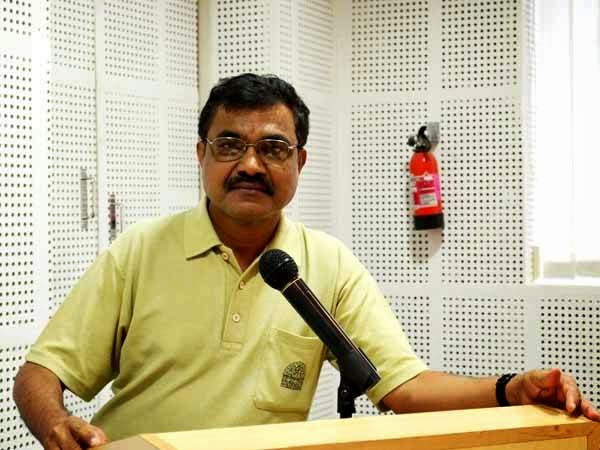
चुनाव के मौसम में जिस तरह मौकापरस्त गठबंधनों को वंचित और दलित जनता के हितों की पैरोकारी का नाम दिया जाता है, उसमें आनंद तेलतुंबड़े का यह नया लेख पढ़ना दिलचस्प है. अनुवाद: रेयाज उल हक
बाबासाहेब आंबेडकर का झंडा ढोने का दावा करने वाले तीन दलित रामों ने – रामदास आठवले, राम विलास पासवान और राम राज (हालांकि उन्होंने कुछ साल पहले अपना नाम बदल कर उदित राज कर लिया था), सत्ता के टुकड़ों की आस में पूरी बेशर्मी से रेंगते हुए अपनी ठेलागाड़ी को भाजपा के रथ के साथ जोत दिया है. इनमें से पासवान 1996 से 2009 तक अनेक प्रधानमंत्रियों – अटल बिहारी बाजपेयी, एचडी देवेगौड़ा, आईके गुजराल और मनमोहन सिंह – के नेतृत्व में बनने वाली हरेक सरकार में केंद्रीय मंत्री (रेलवे, संचार, सूचना तकनीक, खनन, इस्पाद, रसायन एवं उर्वरक) रहे और उन्होंने खुद को एक घाघ खिलाड़ी साबित किया है. उनको छोड़ कर बाकी के दोनों राम हाल हाल तक भाजपा के सांप्रदायिक चरित्र के खिलाफ गला फाड़ कर चिल्लाते रहे थे. आठवले की रीढ़विहीनता तब उजागर हुई जब केंद्र में मंत्री बनने की उनकी बेहिसाब हसरत पूरी नहीं हुई और 2009 के लोकसभा चुनावों में वे हार गए. उन्होंने कांग्रेस के अपने सरपरस्तों पर अपने ‘अपमान’ का इल्जाम लगाना शुरू किया, जिन्होंने उन्हें सिद्धार्थ विहार के गंदे से कमरे से उठा कर महाराष्ट्र के कैबिनेट मंत्री के रूप में सह्याद्रि के एयरकंडीशंड सूइट में बिठाया था. लेकिन कम से कम डॉ. उदित राज (हां, उन्होंने प्रतिष्ठित बाइबल कॉलेज एंड सेमिनरी, कोटा, राजस्थान से डॉक्टरेट किया था!) ने जिस तरह से अपने भाजपा-विरोधी तर्कसंगत रुख से कलाबाजी खाई है, वह हैरान कर देने वाला है.
एक मायने में, भारतीय लोकतंत्र के पतन को देखते हुए, दलित नेतृत्व की ऐसी मौकापरस्त कलाबाजियां किसी को हैरान नहीं करती हैं. आखिरकार हर कोई ऐसा ही कर रहा है. तब अगर दलित नेता ऐसा करते हैं तो इसकी शिकायत क्यों की जाए? आखिरकार, उनमें से अनेक अब तक कांग्रेस में रहते आए हैं, तो अब वे भाजपा में जा रहे हैं तो इसमें कौन सी बड़ी बात है? हो सकता है कि भाजपा और कांग्रेस में बहुत थोड़ा ही फर्क हो, लेकिन असल में चिंतित होने की वजहें उनके पेशों और उनके बारे में जनता की अवधारणा में निहित हैं. कांग्रेस के उलट, भाजपा एक विचारधारा पर चलने वाली पार्टी है. इसका विचारधारात्मक आधार हिंदुत्व है, जिसमें शब्दों की कोई लफ्फाजी नहीं है, यह फासीवाद की विचारधारा है जिसे साफ तौर से आंबेडकर की विरोधी विचारधारा के रूप में देखा जा सकता है. हालांकि उपयोगिता भाजपा से भारत के संविधान के प्रति वफादारी की मांग करती है या फिर आदिवासियों, दलितों और मुसलमानों को लुभाने की मांग करती है, लेकिन उनका विचारधारात्मक रवैया उन सबके खिलाफ है. इसलिए दलित नेताओं को आंबेडकर का जयगान गाते हुए उनके साथ गद्दारी करने की इस घटिया हरकत को देखकर गहरा दुख होता है.आंबेडकर की विरासत
हालांकि आंबेडकर ने हिंदू धर्म में सुधारों के विचार के साथ शुरुआत की थी जिसका आधार उनका यह खयाल था कि जातियां, बंद वर्गों की व्यवस्था हैं [कास्ट्स इन इंडिया]. यह घेरेबंदी बहिर्विवाह और अंतर्विवाह के व्यवस्था के जरिए कायम रखी जाती है। व्यवहार में इसका मतलब यह था कि अगर अंतर्विवाहों के जरिए इस व्यवस्था से मुक्ति पा ली गई तो इस घेरेबंदी में दरार पड़ जाएगी और जातियां वर्ग बन जाएंगी। इसलिए उनकी शुरुआती रणनीति यह बनी थी कि दलितों के संदर्भ में हिंदू समाज की बुराइयों को इस तरह उजागर किया जाए कि हिंदुओं के भीतर के प्रगतिशील तत्व सुधारों के लिए आगे आएं। महाड में उन्होंने ठीक यही कोशिश की है। हालांकि महाड में हुए कड़वे अनुभव से उन्होंने नतीजा निकाला कि हिंदू समाज में सुधार मुमकिन नहीं, क्योंकि इनकी जड़ें हिंदू धर्मशास्त्रों में गड़ी हुई थीं। तब उन्होंने सोचा कि इन धर्मशास्त्रों के पुर्जे उड़ाए बगैर जातियों का खात्मा नहीं होगा [एनाइहिलेशन ऑफ कास्ट]। आखिर में, अपनी मृत्यु से कुछ ही पहले उन्होंने वह तरीका अपनाया जो उनके विचारों के मुताबिक जातियों के खात्मे का तरीका था: उन्होंने बौद्ध धर्म अपना लिया। इतना वक्त बीत जाने के बाद, आज इस बात में कोई भी उनके विश्लेषण के तरीके की कमियों को आसानी से निकाल सकता है। लेकिन जातियों का खात्मा आंबेडकर की विरासत के केंद्र में बना रहा। इस दौरान उन्होंने जो कुछ भी किया वह दलितों को सशक्त करने के लिए किया ताकि वे उस जाति व्यवस्था के खात्मे के लिए संघर्ष कर सकें, जो उनकी निगाह में ‘स्वतंत्रता, समानता, भाईचारे’ को साकार करने की राह में सबसे बड़ी रुकावट थी। चूंकि मार्क्सवादियों के उलट वे यह नहीं मानते थे कि इतिहास किसी तर्क के आधार पर विकसित होता है, कि इसकी गति को कोई नियम नियंत्रित करता है, इसलिए उन्होंने वह पद्धति अपनाई जिसे व्यवहारवाद कहा जाता है। इसमें उनपर कोलंबिया में उनके अध्यापक जॉन डिवी का असर था।
व्यवहारवाद एक ऐसा नजरिया है जो सिद्धांतों या विश्वासों का मूल्यांकन, व्यावहारिक रूप से उन्हें लागू करने में मिली कामयाबी के आधार पर करता है। यह किसी विचारधारात्मक नजरिए को नकारता है और सार्थकता, सच्चाई या मूल्य के निर्धारण में बुनियादी कसौटी के रूप में व्यावहारिक नतीजों पर जोर देता है. इसलिए यह मकसद की ईमानदारी और उसको अमल में लाने वाले के नैतिक आधार पर टिका होता है। आंबेडकर का संघर्ष इसकी मिसाल है। अगर इस आधार से समझौता कर लिया गया तो व्यवहारवाद का इस्तेमाल दुनिया में किसी भी चीज़ को जायज ठहराने के लिए किया जा सकता है। और आंबेडकर के बाद के आंदोलन में ठीक यही हुआ। दलित नेता ‘आंबेडकरवाद’ या दलित हितों को आगे ले जाने के नाम पर अपना मतलब साधने में लगे रहे। भारत की राजनीति का ताना-बाना कुछ इस तरह का है कि एक बार अगर आप पैसा पा जाएं तो आप अपने साथ जनता का समर्थन होने का तमाशा खड़ा कर सकते हैं। एक बार यह घटिया सिलसिला शुरू हो जाए तो फिर इसमें से बाहर आना मुमकिन नहीं। इसी प्रक्रिया की बदौलत एक बारहवीं पास आठवले करोड़ों रुपए की संपत्ति जुटा सकता है, और उस आंबेडकर की विरासत का दावा कर सकता है जो बेमिसाल विद्वत्ता और दलितों-वंचितों के हितों के प्रति सर्वोच्च प्रतिबद्धता के प्रतीक हैं। करीब करीब यही बात दूसरे रामों और उनके जैसे राजनीतिक धंधेबाजों के बारे में भी कही जा सकती है। उनका सारा धंधा आंबेडकर और दलित हितों की तरक्की के नाम पर चलता है।दलित हित क्या हैं?
अपने निजी मतलब को पूरा के लिए बेकरार ये सभी दलित हितों की पुकार मचाते हैं. दलित नेताओं में यह प्रवृत्ति तब भी थी जब आंबेडकर अभी मौजूद ही थे. तभी उन्होंने कांग्रेस को जलता हुआ घर बताते हुए उसमें शामिल होने के खिलाफ चेताया था. जब कांग्रेस ने महाराष्ट्र में यशवंत राव चह्वाण के जरिए दलित नेतृत्व को हथियाने का जाल फैलाया तो आंबेडकरी नेता उसमें जान-बूझ कर फंसते चले गए. बहाना यह था कि इससे वे दलित हितों की बेहतर सेवा कर पाएंगे. उन्होंने जनता को यह कहते हुए भी भरमाया कि आंबेडकर ने नेहरू सरकार में शामिल होकर कांग्रेस के साथ सहयोग किया था. भाजपा उस हजार चेहरों वाले राष्ट्रीय स्वयंसेवक संघ का राजनीतिक धड़ा है, जो हिंदुत्व पर आधारित सांस्कृतिक राष्ट्रवाद की पैरोकारी करता है. उसने संस्कृति और धर्म का यह अजीब घालमेल जनता को भरमाने के लिए किया है. यह भाजपा अंबडकरियों के लिए सिर्फ एक अभिशाप ही हो सकती है. असल में अनेक वर्षों तक यह रही भी, लेकिन अब ऐसा नहीं है. आरएसएस ने समरसता (समानता नहीं बल्कि सामाजिक सामंजस्य) का जाल दलित मछलियों को फंसाने के लिए फेंका और इसके बाद अपनी सख्त विचारधारा में थोड़ी ढील दी. दिलचस्प है कि दलित हितों के पैरोकार नेता, शासक वर्ग (और ऊंची जातियों) की इन पार्टियों को तो अपने ठिकाने के रूप में पाते हैं लेकिन वे कभी वामपंथी दलों पर विचार नहीं करते हैं, जो अपनी अनगिनत गलतियों के बावजूद उनके स्वाभाविक सहयोगी थे. इसकी वजह सिर्फ यह है कि वामपंथी दल उन्हें वह सब नहीं दे सके, जो भाजपा ने उन्हें दिया है.
तो फिर दलित हितों का वह कौन सा हौवा है, जिसके नाम पर ये लोग यह सारी करतब करते हैं? क्या वे यह जानते हैं कि 90 फीसदी दलितों की जिंदगी कैसी है? कि भूमिहीन मजदूरों, छोटे-हाशिए के किसानों, गांवों में कारीगरों और शहरों में झुग्गियों में रहने वाले ठेका मजदूरों और शहरी अर्थव्यवस्था के अनौपचारिक सेक्टर में छोटे मोटे फेरीवाले की जिंदगी जीने वाले दलित किन संकटों का सामना करते हैं? यहां तक कि आंबेडकर ने भी अपनी जिंदगी के आखिरी वक्त में यह महसूस किया था और इस पर अफसोस जताया था कि वे उनके लिए कुछ नहीं कर सके. आंशिक भूमि सुधारों के पीछे की पूंजीवादी साजिशों और हरित क्रांति ने गांवों में पूंजीवादी संबंधों की पैठ बना दी, जिसमें दलितों के लिए सुरक्षा के कोई उपाय नहीं थे. इन कदमों का दलित जनता पर विनाशकारी असर पड़ा, जिनके तहत अंतर्निर्भरता की जजमानी परंपरा को नष्ट कर दिया गया. देहातों में पहले से कायम ऊंची जातियों के जमींदारों को बेदखल करके उनकी जगह लेने वाले, सांस्कृतिक रूप से पिछड़ी शूद्र जातियों के धनी किसानों द्वारा क्रूर उत्पीड़न के लिए दलितों को बेसहारा छोड़ दिया. ब्राह्मणवाद का परचम अब उन्होंने अपने हाथों में ले लिया था. बीच के दशकों में आरक्षण ने उम्मीदें पैदा कीं, लेकिन वे जल्दी ही मुरझा गईं. जब तक दलितों को इसका अहसास होता कि उनके शहरी लाभान्वितों ने आरक्षणों पर एक तरह से कब्जा कर रखा है, कि नवउदारवाद का हमला हुआ जिसने आरक्षणों को पूरी तरह खत्म ही कर दिया. हमारे राम इन सब कड़वी सच्चाइयों से बेपरवाह बने रहे और बल्कि उनमें से एक, उदित राज, ने तो आरक्षण के एक सूत्री एजेंडे के साथ एक अखिल भारतीय संगठन तब शुरू किया, जब वे वास्तव में खत्म हो चुके थे. जनता को आरक्षण के पीछे छिपी शासक वर्ग की साजिश को दिखाने के बजाए, वे शासक वर्ग की सेवा में इस झूठे आसरे को पालते-पोसते रहने को तरजीह देते हैं. क्या उन्हें यह नहीं पता कि 90 फीसदी दलितों की जरूरतें क्या हैं? उन्हें जमीन चाहिए, सार्थक काम चाहिए, मुफ्त और उचित और बेहतर शिक्षा चाहिए, स्वास्थ्य की देखरेख चाहिए, उनकी लोकतांत्रिक अभिव्यक्ति के लिए जरूरी ढांचे चाहिए और जाति विरोधी सांस्कृतिक व्यवस्था चाहिए. ये हैं दलितों के हित, और अफसोस इस बात है कि किसी दलित राम द्वारा उनकी दिशा में बढ़ना तक तो दूर, उनको जुबान तक पर नहीं लाया गया है.भाजपाई राम के हनुमान
यह बात एक सच्चाई बनी हुई है कि ये राम दलित हितों के नाम पर सिर्फ अपना फायदा ही देखते हैं. उदित राज इनमें से सबसे ज्यादा जानकार हैं, अभी कल तक संघ परिवार और भाजपा के खिलाफ हर तरह की आलोचनाएं करते आए हैं जो अगर कोई देखना चाहे तो उनकी किताब ‘दलित्स एंड रिलिजियस फ्रीडम’ में यह आलोचना भरी पड़ी है. उन्होंने मायावती को बेदखल करने के लिए सारी तरकीबें आजमा लीं और नाकाम रहने के बाद अब वे उस भाजपा की छांव में चले गए हैं, जो खुद उनके ही शब्दों में दलितों का सबसे बड़ा दुश्मन है. दलितों के बीच उनकी जो कुछ भी थोड़ी बहुत साख थी, उसका फायदा भाजपा को दिलाने के लिए वे हनुमान की भूमिका अदा कर रहे हैं. दूसरे दोनों राम, पासवान और आठवले ने उदित राज के उलट भाजपा के नेतृत्व वाले एनडीए में शामिल होने का फैसला किया है. वे दलितों में अपने छोटे-मोटे आधारों के बूते बेहतर सौदे पाने की कोशिश कर रहे हैं: पासवान को सात सीटें मिली हैं, जिनमें से तीन उनके अपने ही परिवार वालों को दी गई हैं, और आठवले को उनकी राज्य सभा सीट के अलावा एक सीट दी गई है. बीते हुए कल के कागजी बाघ आठवले नामदेव ढसाल के नक्शे-कदम पर चल रहे हैं, जो बाल ठाकरे की गोद में जा गिरे थे. उस बाल ठाकरे की गोद में, जो आंबेडकर और आंबडेकरी दलितों से बेहद नफरत करता था. ये काबिल लोग अपने पुराने सहयोगियों द्वारा ‘दलितों के अपमान’ (अपने नहीं) को भाजपा के साथ हाथ मिलाने की वजह बताते हैं. आठवले का अपमान तब शुरू हुआ जब उन्हें मंत्री पद नहीं मिला. उन्हें तब शर्मिंदगी नहीं महसूस हुई जब उन्होंने दलितों द्वारा मराठवाड़ा विश्वविद्यालय का नाम आंबेडकर के नाम पर रखने के लिए दी गई भारी कुर्बानी को नजरअंदाज कर दिया और विश्वविद्यालय के नाम को विस्तार दिए जाने को चुपचाप स्वीकार कर लिया था. और न ही उन्हें तब शर्मिंदगी महसूस हुई जब उन्होंने दलित उत्पीड़न के अपराधियों के खिलाफ दायर मुकदमों को आनन-फानन में वापस ले लिया. ये तो महज कुछ उदारण हैं, पासवान और आठवले का पूरा कैरियर दलित हितों के साथ ऐसी ही गद्दारी से भरा हुआ है.
अब वे भाजपा के राम की सेवा करने वाले हनुमान की भूमिका निभाएंगे. लेकिन यह मौका है कि दलित उनके मुखौटों को नोच डालें और देख लें कि उनकी असली सूरत क्या है: एक घटिया बंदर! -
Senate vote on Extended Unemployment Compensation (EUC) expected Monday
Washington, DC – A vote is expected on legislation to restore Extended Unemployment Compensation this Monday, April 7. The bill, which calls for Congress to bring back unemployment benefits for the long-term jobless, has faced repeated delays from Senate Republicans, but is expected to pass.
The impasse in the Senate was broken when a small group of Republican senators decided to back the effort to restore the benefits.
When the Democratic leadership in Congress failed to insist on the inclusion of Extended Unemployment Compensation in last December’s budget compromise, they in effect gave Republicans veto power over benefits for the unemployed.
After the passage of the jobless bill in the Senate, the legislation needs to pass in the House. Most House Republicans are hostile to measures that assist working people. Many of the Democrats have gone along with cuts to social programs.
More than 2 million workers have lost their benefits since extended unemployment insurance expired at the end of last year.
Steff Yorek, a leader of Freedom Road Socialist Organization (FRSO), states, “The capitalist system is a failed system that is unable to meet people’s needs. It serves the rich and so do many of the Washington, D.C. politicians. It’s time to turn up the heat on Congress.”
-
Appeal For Justice To Prashant Rahi
1. Background of the case 2. Urgent Appeal for Justice 3. Sample Letter to be sent to authorities 4. Prashant Rahi’s letter from Nagpur Jail Release Prashant Rahi ————————————————— My Fellow Brothers and Sisters, “A society which remains silent even when grave injustice is being done to those who fought for the justice of others, […]
-
पूँजीवादी चुनाव की फूहड़ नौटंकी फिर शुरू क्या करें मज़दूर और मेहनतकश ?
इस चुनाव में आप किस पार्टी पर जाकर ठप्पा लगायें या न लगायें इससे कोई फ़र्क नहीं पड़ता। 1952 से अब तक पूँजी की लूट के गन्दे, ख़ूनी खेल के आगे रंगीन रेशमी परदा खड़ा करके जनतंत्र का जो नाटक खेला जा रहा है वह भी अब बेहद गन्दा और अश्लील हो चुका है। अब सवाल इस नाटक के पूरे रंगमंच को ही उखाड़ फेंकने का है। मज़दूर वर्ग के पास वह क्रान्तिकारी शक्ति है जो इस काम को अंजाम दे सकती है। बेशक यह राह कुछ लम्बी होगी, लेकिन पूँजीवादी नकली जनतंत्र की जगह मज़दूरों और मेहनतकशों को अपना क्रान्तिकारी विकल्प पेश करना होगा। उन्हें पूँजीवादी जनतंत्र का विकल्प खड़ा करने के एक लम्बे इंक़लाबी सफ़र पर चलना होगा। यह सफ़र लम्बा तो ज़रूर होगा लेकिन एक हज़ार मील लम्बे सफ़र की शुरुआत भी एक क़दम से ही तो होती है।
The post पूँजीवादी चुनाव की फूहड़ नौटंकी फिर शुरू क्या करें मज़दूर और मेहनतकश ? appeared first on मज़दूर बिगुल.
-
ग़रीबी, महँगाई, भ्रष्टाचार से छुटकारे का रास्ता – चुनाव नहीं, इंक़लाब है!
कांग्रेसी सरकार बने चाहे भाजपाई, क्षेत्रीय दलों और नक़ली लाल झण्डे वालों के साँझे मोर्चे की सरकार बने चाहे ”ईमानदारी” की क़समें खाने वाली ”आप” पार्टी की सरकार बने – सरकार तो जनता को लूटने-खसोटने वाले पूँजीपति धन्नासेठों की ही बननी है। इन चुनावों का खेल है ही ऐसा। लुटेरे पूँजीपति हमेशा जीतते हैं, जनता हमेशा हारती है। अंग्रेज़ों के जाने के बाद के पिछले 67 सालों में आज तक जितनी भी सरकारें बनती रही हैं बिना किसी अपवाद के अमीरों की यानी पूँजीपतियों की ही सरकारें थीं। और इस बार भी कुछ अलग नहीं होने वाला है। जिस समाज में कारख़ानों, खदानों, ज़मीनों, व्यापार, आदि तमाम आर्थिक संसाधनों और धन-दौलत पर मुट्ठीभर पूँजीपतियों का क़ब्ज़ा हो, उसमें चुनाव के ज़रिए जनता की सरकार बनने की उम्मीद पालना मूर्खता के सिवा और कुछ नहीं हो सकता। पूँजी के बलबूते ही चुनाव लड़े और जीते जाते हैं। जनता से झूठे वादे करके, पूँजीवादी अख़बारों व टीवी चैनलों के ज़रिए अपने पक्ष में माहौल बनाकर, जनता को धर्म-जाति-क्षेत्र के नाम पर बाँटकर, दंगे करवाकर, वोटरों को खऱीदकर, नशे बाँटकर, बूथों पर क़ब्ज़े करके आदि हथकण्डों द्वारा चुनाव जीते जाते हैं। इन चुनावों में भी यही कुछ हो रहा है और पूँजीवादी व्यवस्था में यही हो सकता है।
The post ग़रीबी, महँगाई, भ्रष्टाचार से छुटकारे का रास्ता – चुनाव नहीं, इंक़लाब है! appeared first on मज़दूर बिगुल.
-
Ukraine: Sergei Kirichuk of Union Borotba Interviewed by the Last Defense – Red Star verses Brown Shirt
http://www.mixcloud.com/thelastdefense/e0024-e24-red-star-vs-brown-shirt-with-sergey-kirichuk/?utm_source=widget&utm_medium=web&utm_campaign=base_links&utm_term=resource_link” target=”_blank”>E0024-Red Star vs. Brown Shirt with Sergey Kirichuk
TRANSCRIPT
[emphasis added by Global Research editor]
HANEUL: Sergey, can go ahead and tell us a little about yourself, what you