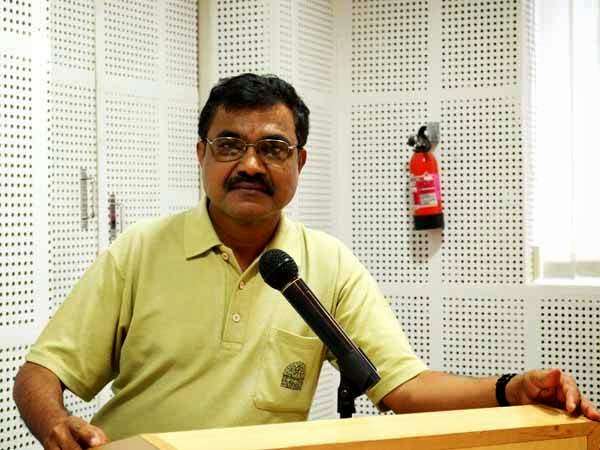
मौजूदा चुनावी प्रक्रिया, इसके जातीय पहलू और जनता के हितों के अनुकूल एक मुनासिब चुनावी प्रणाली के विकल्पों पर आनंद तेलतुंबड़े का विश्लेषण. अनुवाद: रेयाज उल हक
कुछ ही दिनों में सोलहवें आम चुनावों की भारी भरकम कसरत पूरी हो जाएगी. और इसी के साथ भारत के सिर पर लगे दुनिया के सबसे महान कार्यरत लोकतंत्र के ताज में एक और हीरा जड़ जाएगा, जबकि यहां रहने वाले ज्यादातर लोग बेचारगी और छीन ली गई आवाजों के साथ अपने वजूद के संघर्ष में फिर से जुट जाएंगे. लोकतंत्र के कुछ महीने लंबे नाच के आखिर में चुने हुए प्रतिनिधि बच जाएंगे जो अपने करोड़ों के निवेश पर पैसे बनाने के धंधे में लग जाएंगे. इस गरीब देश को चुनावों की इस प्रक्रिया की जो कीमत चुकानी पड़ती है, उसकी तुलना सिर्फ अमेरिका से ही हो सकती है (ऐसा कहा गया है कि भारतीय राजनेता 2012 के पिछले अमेरिकी राष्ट्रपति चुनावों में खर्च की गई 7 बिलियन डॉलर की राशि के बरअक्स 5 बिलियन डॉलर खर्च करने वाले हैं) और इस पूरी प्रक्रिया में वे सब साजिशें और छल-कपट किए जाते हैं, जिनकी कल्पना कोई इन्सान कर सकता है. जाहिर है कि तब इन सबकुछ को सिर्फ मुट्ठी भर अमीरों के निजाम और अपराधों के जरिए ही कायम रखा जा सकता है. चूंकि हकीकत में ऐसा ही होता रहा है, इसलिए इस पर गौर करना होगा कि भारत की खामियों को तलाशते हुए चुनावों की इस प्रक्रिया की पड़ताल जरूरी है.
जनता के साथ धोखा
उदारवादी ढांचे में प्रत्यक्ष लोकतंत्र मुमकिन नहीं है. चुनावों का मकसद लोकतंत्र को चलाने के लिए जनता के प्रतिनिधियों को चुनना है. हालांकि लोगों की पसंद राजनीतिक दलों द्वारा खड़े किए गए उम्मीदवारों और कुछ निर्दलियों तक सीमित होती है, जिनमें से ज्यादातर तो मुख्य राजनीतिक दलों के चुनावी गुना-भाग में मदद करने के लिए कठपुतली उम्मीदवार के रूप में खड़े होते हैं. यही वजह है कि बिना किसी काम का सबूत दिए, चुनाव दर चुनाव समान लोगों का समूह चुना जाता रहा है. यह पूरी प्रक्रिया [बाकियों के] भीतर दाखिल होने की रुकावट के रूप में काम करती है. मिसाल के लिए, लोक सभा के उम्मीदवार को अधिकतम 75 लाख रुपए खर्च करने की इजाजत है, यह खर्च सिर्फ मुख्यधारा के राजनीतिक दल ही उठा सकते हैं. लेकिन असली खर्च तो इससे कई गुना ज्यादा होता है. अगर चुनावों में कोई भारी पूंजी लगाने का जोखिम उठाता है, तो सैद्धांतिक रूप से इस निवेश पर उसे फायदा भी होना चाहिए. चूंकि इसका [कानूनन] कोई फायदा नहीं है, इसलिए यह अनिवार्य रूप से बढ़ते हुए भ्रष्टाचार के रूप में सामने आता है. इसने राजनीति को टिकटों के बड़े कारोबार में बदल दिया है, जिसमें बेजोड़ मुनाफा है और यह सब लोगों की नजरों से छुपा हुआ होता है. नेता सामंत बन जाते हैं और निर्वाचन क्षेत्र उनकी जागीर, जिसकी किलेबंदी बाहुबल और धनबल से होती है.
एक एनजीओ एसोसिएशन ऑफ डेमोक्रेटिक राइट्स (एडीआर) के सौजन्य से चुनावों में हिस्सा लेने वाले नेताओं के बारे में जानकारी अब सरेआम है. नेता चुनाव आयोग को जो हलफनामे जमा करते हैं, एडीआर ने उनमें से जानकारियां जुटा कर उन्हें इस तरह पेश किया है कि लोग समझ सकें. हालांकि ये आंकड़े नेताओं द्वारा खुद कबूल किए जाते हैं और इसकी गुंजाइश ज्यादा है कि उन्हें बहुत घटा कर बताया जाता होगा लेकिन इसके बावजूद इन आंकड़ों से यह उजागर होता है प्रतिनिधियों में करोड़पतियों की संख्या तेजी से बढ़ रही है. पंद्रहवीं लोकसभा चुनावों में 1205 करोड़पति उम्मीदवार थे, जिनमें से 300 से ज्यादा संसद में पहुंचे. अपराधों के आंकड़े भी उनकी बढ़ती हुई दौलत के साथ बढ़ते जाते हैं और ये सभी दलों में मौजूद हैं. दो मुख्य दलों कांग्रेस और भाजपा से जुड़े करोड़पति सांसदों की संख्या 2004 में क्रमश: 29 और 26 थी, जो 2009 में बढ़ कर 42 और 41 हो गई. ये उस जनता, उस व्यापक बहुसंख्या के प्रतिनिधि थे जो 20 रुपए रोज पर गुजर करती है! हरेक चुनाव में उनकी बेपनाह दौलत के बढ़ने की दर इससे भी अधिक दिलचस्प है. एडीआर और नेशनल इलेक्शन वाच (एनइडब्ल्यू) ने अपने विश्लेषण में पाया कि फिर से चुनाव लड़ रहे 317 उम्मीदवारों की दौलत 1000 प्रतिशत बढ़ गई थी. ये दरें तो कॉरपोरेट दुनिया में भी नहीं सुनी जाती हैं. एक औसत क्षमता का इंसान, जो ऊपर से गरीबों की सेवा में लगा हो, यहां बेहतरीन फंड प्रबंधकों को मात दे देता है! आम मामलों में ऐसे सबूत आयकर और भ्रष्टाचार-निरोधक अधिकारियों के कान खड़े कर देते हैं, लेकिन इन दौलतमंदों के राजनीतिक रिश्ते उन्हें ऐसे दुनियावी खतरों से बचाए रखते हैं. यहां इस दौलत के स्रोतों के बारे में अंदाजा नहीं लगाया जा रहा है, जबकि यह जानी हुई बात है कि पूरी मशीनरी जनता के नाम पर कॉरपोरेट घरानों और दूसरे धन्ना सेठों के लिए काम करती है.
चुनावों की पद्धति
जब भारत आजाद हुआ, तो नए शासकों के सामने सबड़े बड़ी चुनौती जनता की वे उम्मीदें थीं, जो आजादी के संघर्ष के दौरान पैदा हुई थीं. ये उम्मीदें क्रांति के बाद के रूस (सोवियत संघ) द्वारा हासिल की गई शानदार तरक्की, दूसरे विश्व युद्ध के बाद की कल्याणकारी तौर-तरीकों और पड़ोसी चीन में क्रांति जैसी घटनाओं से कई गुना बढ़ गई थीं. सत्ता हस्तांतरण के दौरान भड़की सांप्रदायिक उथल पुथल, रियासतों के रूप में मौजूद 600 राजनीतिक इकाइयों का भारत के भीतर एकीकरण, देश के कुछ इलाकों में कम्युनिस्टों के नेतृत्व में हथियारबंद संघर्षों और निचली जातियों के उभार ने एक साथ मिल कर नए शासकों के सामने एक भारी चुनौती पेश की थी. उन्होंने जो गणतांत्रिक संविधान बनाया था, उसमें इन उम्मीदों की झलक थी. हालांकि वास्तविक अर्थों में, सत्ता हासिल करने वाली कांग्रेस पार्टी, बुर्जुआ हितों की प्रतिनिधित्व करती थी और उसे बड़ी कारीगरी से उसे बढ़ावा भी देना था. एक तरफ जनता की उम्मीदों को पूरा करने का दिखावा करने की जरूरत और दूसरी तरफ वास्तव में पूंजी के हितों को बढ़ावा देने से एक तनाव पैदा हुआ. यह तनाव इसकी एक के बाद एक बेईमानी भरी कार्रवाइयों की श्रृंखला में भी दिखा. समाजवादी दिखावे के लिए पंचवर्षीय योजना की शुरुआत की गई लेकिन भीतर ही भीतर बंबई योजना को अपनाया गया था-जिसे तब के देश के आठ शीर्ष पूंजीपतियों ने बनाया था. या फिर भूमि सुधारों की शुरुआत की गई, लेकिन इसमें सुनिश्चित किया गया कि उन पर इस तरह अंकुश बना रहे कि व्यापक देहातों में सहयोगी के रूप में धनी किसानों का एक वर्ग बनाया जा सके. या फिर भूख खत्म करने के नाम पर देहातों में पूंजीवादी संबंधों के प्रसार के लिए हरित क्रांति को आगे बढ़ाया गया. ये महज कुछेक मिसालें हैं. लोकतंत्र को चलाने के लिए राजनीतिक रूप से एक ऐसी पद्धति जरूरी थी, जिससे उन्हें सत्ता पर पूरा नियंत्रण हासिल होता.
सबसे ज्यादा वोट पाने वाले उम्मीदवार को विजयी घोषित करने वाली चुनावी [एफपीटीपी-फर्स्ट पास्ट द पोस्ट सिस्टम] व्यवस्था शासक वर्ग की राजनीतिक सत्ता को मजबूत करने वाली ऐसी ही पद्धति थी. यों यह व्यवस्था औपनिवेशिक शासन से विरासत में अपनाई गई थी, जैसा कि ब्रिटिश साम्राज्य के उपनिवेश रह चुके दूसरे सभी देशों में हुआ था. लेकिन ऐसा कुछ नहीं था जो भारत को अपने हालात के मुताबिक एक बेहतर पद्धति को अपनाने के लिए इसे छोड़ने से रोकता. आज हम खुद को जिन बुराइयों से घिरा हुआ पाते हैं, उनमें से ज्यादातर इसी एफपीटीपी व्यवस्था से पैदा हुई हैं. असाधारण रूप से ऐसी विविधता भरे राज्यतंत्र में होने वाले चुनावों में एक अकेले विजेता का होना बहुसंख्यक तबके के समर्थन के बिना नहीं हो सकता था. इसका नतीजा यह हुआ कि समान हितों के आधार पर बने ज्यादातर समूहों को बहुसंख्यक तबके के हितों के साथ समझौता करना पड़ा, जिसने इन समूहों को मिला लिए जाने [को-ऑप्शन] और दूसरी धांधलियों का रास्ता खोल दिया. देश में हितों की विविधता अभी भी अनेक दलों को आगे ले आ सकती है, जो बुनियादी रूप से प्रतिस्पर्धी एफपीटीपी चुनावों को और भी बदतर बना देगी, जिसके साथ साथ बढ़ी हुई दर के साथ भारी खर्चे बढ़ते जाएंगे जिन्हें बड़े कारोबार पूरा करेंगे. इसी में जातियों, समुदायों, धर्म वगैरह जैसी मौजूदा खामियों और बेशक बाहुबल का बेरोकटोक इस्तेमाल भी बढ़ेगा. दलगत सीमाओं से ऊपर उठ कर, अनिवार्य रूप से यह सभी शासक वर्गों के मुट्ठीभर लोगों की शक्ति संरचना में रूप में विकसित हो गया है, जिसकी अनेक तरीकों से हिफाजत की जाती है और जिसकी सर्वोच्च ताकत पुलिस और फौज है.
एक वैकल्पिक मॉडल
क्या चुनावों की इस पद्धति का कोई विकल्प नहीं था? देश में शक्ल ले रहा विविधतापूर्ण राज्यतंत्र चुनावों के एक अलग मॉडल की तरफ इशारा करेगा. इसे हम आनुपातिक प्रतिनिधित्व व्यवस्था कह सकते हैं. यह वो व्यवस्था है जो ज्यादातर यूरोपीय लोकतंत्रों और उन अनेक दूसरे देशों में अपनाई जाती है जिनका लोकतांत्रिक रेकॉर्ड बहुत अच्छा रहा है. हालांकि व्यावहारिक रूप में आनुपातिक प्रतिनिधित्व वाली व्यवस्था की अनेक किस्में हैं. लेकिन बुनियादी रूप से ये दलों या सामाजिक समूहों के लिए मतदान की व्यवस्था देती हैं (न कि किसी व्यक्ति को वोट देने के), जो अपने मतों के हिस्से के अनुपात में प्रतिनिधित्व पाते हैं. मिसाल के लिए दलित भारत में 17 फीसदी हैं लेकिन हरेक निर्वाचन क्षेत्र में अल्पसंख्यक होने के कारण वे एफपीटीपी व्यवस्था में कभी भी स्वतंत्र रूप से नहीं चुने जाते, आरक्षित सीटों पर भी नहीं. आनुपातिक प्रतिनिधित्व वाली व्यवस्था संसद और विधान सभाओं में उनकी हिस्सेदारी को सुनिश्चित करेगी और यह उन्हें अपने जनाधार का विस्तार करने वाली शक्ति भी मुहैया करा सकती है. आज जिसे थोड़े नरम शब्दों में बहुजन कहा जाता है, उसका निर्माण इसी प्रक्रिया के जरिए मुमकिन था. सामाजिक पहचान की जगह वर्गीय चेतना लेगी और पूरी राजनीति को वर्गीय धुरी पर केंद्रित करेगी. इस व्यवस्था में कोई गलाकाट मुकाबला भी नहीं होगा, क्योंकि हरेक समूह को तर्कसंगत रूप से उनके हिस्से का प्रतिनिधित्व मिलेगा. इसके बजाए मुकाबला संसद के भीतर होने लगेगा, जिसे बहुसंख्यक जनता के हितों में नीतियां बनानी होंगी. एफपीटीपी व्यवस्था में, एक बार चुनाव हो जाने के बाद, नीतिगत मामलों पर संसद में बहस के लिए प्रेरणा देने वाली कोई ताकत नहीं होती. जनता पर असर डालने वाली सरकार की ज्यादातर भौतिक नीतियां (जैसे कि आपातकाल लागू किया जाना और नवउदारवादी आर्थिक सुधार) पर संसद में कभी बहस ही नहीं हुई.
एफपीटीपी चुनावों में सैद्धांतिक खामी यह है कि चुने हुए प्रतिनिधियों को आधे मतदाताओं का वोट भी मुश्किल से ही मिला होता है. यह खामी आनुपातिक प्रतिनिधित्व वाली व्यवस्था में इस तरह दूर हो जाती है कि यह समान हितों के आधार पर बने ज्यादातर समूहों को उनकी उचित हिस्सेदारी देता है. एफपीटीपी चुनावों में गहन मुकाबले के नतीजे में भारी खर्चे होते हैं और उसके बाद भ्रष्टाचार में बढ़ोतरी होती है, जिन्हें आनुपातिक प्रतिनिधित्व वाली व्यवस्था में दूर किया जा सकता है. सबसे अहम बात यह कि भारत के संदर्भ में, यह शासक वर्गों द्वारा जनता को जातियों और समुदायों में बांटने के बुरे मंसूबों पर लगाम लगाती है. मिसाल के लिए, दलितों के लिए आरक्षित सीटों की जरूरत नहीं रह जाएगी और इस तरह दलित होने के ठप्पे की भी जरूरत नहीं रहेगी. इस तरह राजनीति में से जातियों का बोलबाला भी खत्म हो जाएगा. हालांकि कोई भी व्यवस्था किसी को अपने समुदाय से अलग होकर उसे समुदाय हितों के खिलाफ काम करने से नहीं रोक सकती, लेकिन आनुपातिक प्रतिनिधित्व वाली व्यवस्था समुदाय को उसकी उचित हिस्सेदारी देकर इसकी ढांचागत गुंजाइश को खत्म कर सकती है. दलित पूना समझौते के जरिए गांधीवादी ब्लैकमेल पर बरसों से अफसोस जताते आए हैं, लेकिन वे यह नहीं समझ पाए कि यह समझौता एफपीटीपी व्यवस्था पर टिका था. पूना समझौता आनुपातिक प्रतिनिधित्व वाली व्यवस्था में अपनी प्रासंगिकता खो देगा. इसी तरह यह भी कहा जा सकता है कि जातियों की पहचान को बनाए रखने की जरूरत भी खत्म हो जाएगी और इसी तरह खत्म हो जाएंगी वे सारी तकलीफदेह मुश्किलें भी, जो इस जरूरत से पैदा हुई हैं.
सचमुच, भारत को इससे भारी फायदा होगा. लेकिन तब इस शासक वर्ग का क्या होगा?