Blog

  • Queensland budget shows LNP priorities

    Queensland Treasurer Tim Nicholls has delivered the LNP’s third and final budget before the next state election, due early in 2015. The centrepiece is plans to privatise or lease $33.6 billion worth of government assets, including power generators and ports.

    The government is arguing that…

  • U.S. government lies as Sami Osmakac trial begins

    Tampa, FL – The trial of Sami Osmakac is underway at the Sam Gibbons Federal Court Building here, June 2. Osmakac is being accused by the government of attempted use of weapons of mass destruction. This is part of an ongoing persecution of Muslims and Arab Americans. The government has frequently targeted those who speak out against U.S. wars as well as building cases of ‘terrorism’ on fictitious evidence.

    Osmakac immigrated with his family from Kosovo in the aftermath of the war in 2000. As a devout Muslim, Osmakac attended mosques throughout the Tampa Bay area. He later became a U.S. citizen. He frequently talked about the local homeless problem in the Tampa Bay area and helped give food to those in need. He also has no prior criminal record.

    Osmakac was arrested in January 2012 after allegedly trying to buy weapons off of undercover FBI agents. Since then, he has spent almost two and a half years in solitary confinement. Currently he is housed in the medical area of the Pinellas County jail under suicide watch. Before his arrest he had been diagnosed with mental illnesses.

    Mel Underbakke, education committee director of the National Coalition to Protect Civil Freedoms (NCPCF), is a local activist who had previously worked on the Sami Al-Arian trial in Tampa and is speaking out against this injustice. Underbakke said, “This is the third ‘terrorism’ trial I have attended at Sam Gibbons Federal Courthouse. The first two resulted in not guilty of terrorism verdicts by juries, but in both cases, the defendants had spent months and years in solitary confinement before the trial. Sadly, once again the defendant Sami Osmakac has not been accused of committing any violence, but nonetheless has been held in solitary confinement for two years before his trial began. Solitary confinement is torture and has the same lasting effects as physical torture.”

    The federal prosecutors are using recordings from two FBI informants who had been spying on Osmakac or months. However, he had been talking with and led on by FBI informants for much longer. Sami Osmakac’s brother Avni Osmakac, said he had “seen agents around his house every day since 2010.” Their house frequently had undercover police vehicles parked nearby. Back then Sami had worked as a grocery stocker for a local market. This is where they think he met the first government informant. From there he spent over a year being coaxed and pushed by agents into making “radical YouTube videos”. He was eventually guided into buying fake weapons with money given to him by the FBI. Government videos show FBI informants teaching and pushing Sami into committing acts of terrorism.

    The U.S. government has been trying to build a case of lies and doctored evidence to portray a mentally ill man as a terrorist. Accidental recordings between informants and their FBI supervisors have revealed other important information. From the beginning it shows, the supervisors were telling the informants to get them a “Hollywood ending.” And that the recordings of Osmakac were “gifts” for the government prosecution. It also revealed what the informants thought of Sami. At one point they said Sami was “wishy-washy” and doubted whether or not he would even carry out the FBI’s planned “attack”.

    Like in the other trials, the U.S. government tries to portray Muslims, Arab-Americans and even anti-war activists as terrorists. Jared Hamil, of the Tampa Committee to Stop FBI Repression says, “They do so for two reasons – for propagandizing for their wars on countries in the Middle East and to scare other Muslims and Arab peoples from speaking out against U.S.-led invasions and occupations. Just as we see with the case of Rasmea Odeh, the U.S. government will do whatever it can to silence those who are outspoken and calling them out.”

    Avni Osmakac states, “the real terrorism is going on in the courtroom.” Activists in the area plan to speak out against this trial in the coming weeks.

  • Yuri Kochiyama, 1921-2014

    Berkeley, CA – I just heard about the passing of Yuri Kochiyama from my father, another Nisei (second generation Japanese American) political activist, who lives in Berkeley about a mile from where Yuri was living. I didn’t know Yuri well, having only met her once when we were both attending the same program in the Asian American community. Nevertheless, she was the single most prominent individual Asian American activist of the 20th century and her life and politics pioneered the Asian American movement born in the late 1960s.

    Yuri and her husband Bill moved to Harlem in New York City in 1960 and became involved in the growing civil rights movement. She came to know African American revolutionary Malcolm X and her image of kneeling beside the mortally wounded Malcolm in 1964 was highlighted in LIFE magazine photos. Yuri’s identification with Malcolm and the broader Black Liberation Movement blazed the path for a generation of younger Asian American activists. The first revolutionary Asian American organization that I joined, the I Wor Kuen, was directly inspired by the Black Panther Party and began with a very similar political program in 1969.

    Yuri also spoke out against the U.S. war in Vietnam. She pointed out the connection between the racism in U.S. imperialist wars in the Third World and the national oppression that African Americans, Puerto Ricans and others were facing here in the U.S. This perspective had broad appeal among oppressed nationalities here, leading to protests such as the 1970 Chicano Moratorium against the war in Los Angeles in 1970, as well as the African Liberation Support Committee and solidarity work among African Americans to support the national liberation movements in Africa in the 1970s.

    Yuri was also involved in the 1980s movement among Japanese Americans for redress (an official government apology) and reparations (monetary compensation) for the 120,000 Americans of Japanese descent put into concentration and prison camps during World War II. Yuri’s own father, Seiichi Nakahara, was arrested the day of Japan’s attack on Pearl Harbor and was denied medicines. He died within days, and the rest of Yuri’s family was sent to the Santa Anita Assembly Center, where they had to live in horse stall, and were eventually sent to a concentration camp in Jerome, Arkansas.

    This movement not only won redress and reparations from the federal government in the late 1980s, but also paved the way for Japanese American solidarity with and support for Arab Americans and American Muslims targeted by the U.S. government after Sept. 11, 2001. Yuri was again a pioneer in this solidarity effort, organizing Japanese Americans to join Iranian Americans following the 1979 revolution in Iran to combat the growing anti-Iranian sentiment in the U.S.

    Masao Suzuki is a long time activist in the San José, California Japanese American community and chair of the Joint Nationalities Commission of the Freedom Road Socialist Organization (FRSO).

  • Truth is stranger than fiction: a note on the Akshardham acquittal

    by R. Ravishankar The Akshardham attack of 2002 has recently been in the news after the Supreme Court acquitted all the main accused persons. As the first case where the accused were convicted under POTA, the acquittal is an apt illustration of all that’s wrong with repressive laws and how they are used to criminalize […]

  • बस, बहुत हो चुका: आनंद तेलतुंबड़े का नया लेख

    आनंद तेलतुंबड़े का यह लेख एक बेशर्म और बेपरवाह राष्ट्र को संबोधित है. एक ऐसे राष्ट्र को संबोधित है जो अपने ऊपर थोप दी गई अमानवीय जिंदगी और हिंसक जातीय उत्पीड़नों को निर्विकार भाव से कबूल करते हुए जी रहा है. यह लेख बदायूं में दो दलित किशोरियों के बलात्कार और हत्या के मामले से शुरू होता है और राज्य व्यवस्था, पुलिस, कानून और इंसाफ दिलाने वाले निजाम तक के तहखानों में पैवस्त होते हुए उनके दलित विरोधी अपराधी चेहरे को उजागर करता है. मूलत: द हिंदू में प्रकाशित इस लेख के साथ इकोनॉमिक एंड पोलिटिकल वीकली में छपे उनके मासिक स्तंभ मार्जिन स्पीक का ताजा अंक भी पढ़ें. अनुवाद रेयाज उल हक

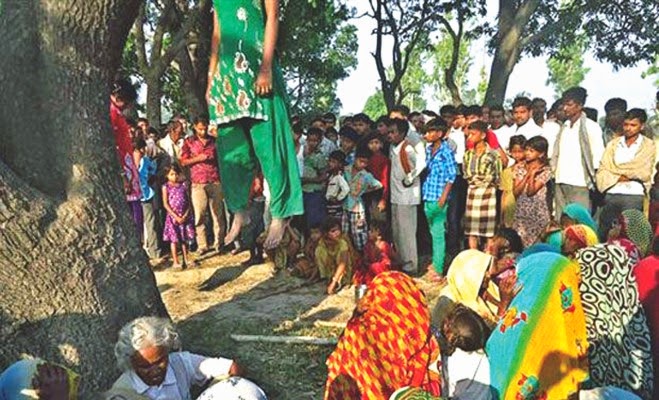
    यह तस्वीर उत्तर प्रदेश के बदायूं जिले के कटरा गांव की है. इसमें दो दलित लड़कियों की लाश पेड़ से टंगी हुई है और तमाशबीनों की एक भीड़ हैरानी से खड़ी देख रही है. यह तस्वीर हमारे राष्ट्रीय चरित्र को सबसे अच्छे तरीके से बयान करती है. हम कितना भी अपमान बर्दाश्त कर सकते हैं, किसी भी हद की नाइंसाफी सह सकते हैं, और पूरे सब्र के साथ अपने आस पास के किसी भी फालतू बात को कबूल कर सकते हैं. यह कहने का कोई फायदा नहीं कि वे लड़कियां हमारी अपनी बेटियां और बहनें थीं, हम तब भी इसी तरह हैरानी और निराशा से भरे हुए उन्हें उसी तरह ताकते रहे होते, जैसी भीड़ में दिख रहे लोग ताक रहे हैं. सिर्फ पिछले दो महीनों में ही, जबकि हमने एक देश के रूप में नरेंद्र मोदी और अच्छे दिनों के उसके वादे पर अपना वक्त बरबाद किया, पूरे देश में दलित किशोरों और किशोरियों के घिनौने बलात्कारों और हत्याओं की एक बाढ़ सी आ गई.

    लेकिन इस फौरन उठने वाले गुस्से से अलग, इन उत्पीड़नों के लिए सचमुच की कोई चिंता मुश्किल से ही दिखती है. शासकों को इससे कोई सरोकार नहीं है, मीडिया की इसमें कोई दिलचस्पी नहीं है, और फिर इसको लेकर प्रगतिशील तबका उदासीन है और खुद दलितों में भी ठंडा रवैया दिख रहा है. यह शर्मनाक है कि हम दलितों के बलात्कार और हत्या को इस तरह लेते हैं कि वे हमारे सामाजिक ताना-बाने का अटूट हिस्सा हैं और फिर हम उन्हें भुला देते हैं.

    मनु का फरमान नहीं हैं बलात्कार

    जब भी हम जातियों की बातें करते हैं, तो हम शतुरमुर्ग की तरह एक मिथकीय अतीत की रेत में अपना सिर धंसा लेते हैं और अपने आज के वक्त से अपनी आंखें मूंद लेते हैं. हम पूरी बात को आज के वक्त से काट देते हैं, जिसमें समकालीन जातियों का ढांचा कायम है और अपना असर दिखा रहा है. यानी हम ठोस रूप से आज के बारे में बात करने की बजाए अतीत के किसी वक्त के बारे में बातें करने लगते हैं. आज जितने भी घिसे पिटे सिद्धांत चलन में हैं वे या तो यह सिखाते हैं कि चुपचाप बैठे रहो और कुछ मत करो या फिर वे जाति की पहचान का जहर भरते हैं – जो कि असल में एक आत्मघाती प्रवृत्ति है. वे हमारे शासकों को उनकी चालाकी से भरी नीतियों के अपराध से बरी कर देते हैं जिन्होंने आधुनिक समय में जातियों को जिंदा बनाए रखा है. यह सब सामाजिक न्याय के नाम पर किया गया. संविधान ने अस्पृश्यता को गैरकानूनी करार दिया, लेकिन जातियों को नहीं. स्वतंत्रता के बाद शासकों ने जातियों को बनाए रखना चाहा, तो इसकी वजह यह नहीं थी कि वे सामाजिक न्याय लाना चाहते थे बल्कि वे जानते थे कि जातियों में लोगों को बांटने की क्षमता है. बराबरी कायम करने की चाहत रखने वाले एक देश में आरक्षण एक ऐसी नीति हो सकता है, जिसका इस्तेमाल असाधारण मामले में, अपवाद के रूप में किया जाए. औपनिवेशिक शासकों ने इसे इसी रूप में शुरू किया था. 1936 में, अनुसूचित जातियां ऐसा ही असाधारण समूह थीं, जिनकी पहचान अछूत होने की ठोस कसौटी के आधार पर की गई थी. लेकिन संविधान लिखे जाने के दौरान इसका दायरा बढ़ा दिया गया, जब पहले तो एक बेहद लचर कसौटी के आधार पर एक अलग अनुसूची बना कर इसको आदिवासियों तक विस्तार दिया गया और फिर बाकी उन सबको इसमें शामिल कर लिया गया, जिनकी पहचान राज्य द्वारा ‘शैक्षिक और सामाजिक रूप से पिछड़ों’ के रूप में की जा सकती हो. 1990 में मंडल आरक्षणों को लागू करते हुए इस बाद वाले विस्तार का इस्तेमाल हमारे शासकों ने बेहद सटीक तरीके से किया, जब उन्होंने जातिवाद के घोड़े को बेलगाम छोड़ दिया.

    उनके द्वारा अपनाई गई इन और ऐसी ही दूसरी चालाकी भरी नीतियों ने उस आधुनिक शैतान को पैदा किया है जो दलितों के जातीय उत्पीड़न का सीधा जिम्मेदार है. समाजवाद की लफ्फाजी के साथ शासक वर्ग देश को व्यवस्थित रूप से पूंजीवाद की तरफ ले गया. चाहे वह हमारी पहली पंचवर्षीय योजना के रूप में बड़े पूंजीपतियों द्वारा बनाई गई बंबई योजना (बॉम्बे प्लान) को अपना कर यह दिखावा करना हो कि भारत सचमुच में समाजवादी रास्ते पर चल रहा है, या फिर सोचे समझे तरीके से किए गए आधे अधूरे भूमि सुधार हों या फिर हरित क्रांति की पूंजीवादी रणनीति को सब जगह लागू किया जाना हो, इन सभी ने भारी आबादी वाले शूद्र जाति समूहों में धनी किसानों के एक वर्ग को पैदा किया जिनकी भूमिका केंद्रीय पूंजीपतियों के देहाती सहयोगी की थी. अब तक जमींदार ऊंची जातियों से आते थे, लेकिन अब उनकी जगह इन धनी किसानों ने ले ली, और उनके हाथ में ब्राह्मणवाद की पताका थी. दूसरी तरफ, अंतरनिर्भरता बनाए रखने वाली जजमानी प्रथाओं के खत्म होने से दलित ग्रामीण सर्वहारा बनकर और अधिक असुरक्षित हो गए. वे अब धनी किसानों से मिलने वाली खेतिहर मजदूरी पर निर्भर हो गए थे. जल्दी ही इससे मजदूरी को लेकर संघर्ष पैदा हुए जिनको कुचलने के लिए सांस्कृतिक रूप से उजड्ड जातिवाद के इन नए पहरेदारों ने भारी आतंक छेड़ दिया. इस कार्रवाई के लिए उन्होंने जाति और वर्ग के एक अजीब से मेल का इस्तेमाल किया. तमिलनाडु में किल्वेनमनी में 1968 में रोंगटे खड़े कर देने वाले उत्पीड़न से शुरू हुआ यह सिलसिला आज नवउदारवाद के दौर में तेज होता गया है. जो शूद्र जोतिबा फुले के विचारों के मुताबिक दलितों (अति-शूद्रों) के संभावित सहयोगी थे, नए शासकों की चालाकी भरी नीतियों ने उन्हें दलितों का उत्पीड़क बना दिया.

    उत्पीड़न को महज आंकड़ों में न देखें

    ‘‘हरेक घंटे दो दलितों पर हमले होते हैं, हरेक दिन तीन दलित महिलाओं के साथ बलात्कार होता है, दो दलितों की हत्या होती है, दो दलितों के घर जलाए जाते हैं,’ यह बात तब से लोगों का तकिया कलाम बन गई है जब 11 साल पहले हिलेरी माएल ने पहली बार नेशनल ज्योग्राफिक में इसे लिखा था. अब इन आंकड़ों में सुधार किए जाने की जरूरत है, मिसाल के लिए दलित महिलाओं के बलात्कार की दर हिलेरी के 3 से बढ़कर 4.3 हो गई है, यानी इसमें 43 फीसदी की भारी बढ़ोतरी हुई है. यहां तक कि शेयर बाजार सूचकांकों तक में उतार-चढ़ाव आते हैं लेकिन दलितों पर उत्पीड़न में केवल इजाफा ही होता है. लेकिन तब भी ये बात हमें शर्मिंदा करने में नाकाम रहती है. हम अपनी पहचान बन चुकी बेर्शमी और बेपरवाही को ओढ़े हुए अपने दिन गुजारते रहते हैं, कभी कभी हम कठोर कानूनों की मांग कर लेते हैं – यह जानते हुए भी कि इंसाफ देने वाले निजाम ने उत्पीड़न निरोधक अधिनियम को किस तरह नकारा बना दिया है. जबसे ये अधिनियम लागू हुआ, तब से ही जातिवादी संगठन इसे हटाने की मांग करते रहे हैं. मिसाल के लिए महाराष्ट्र में शिव सेना ने 1995 के चुनावों में इसे अपने चुनावी अभियान का मुख्य मुद्दा बनाया था और महाराष्ट्र सरकार ने अधिनियम के तहत दर्ज किए गए 1100 मामले सचमुच वापस भी ले लिए थे.

    दलितों के खिलाफ उत्पीड़न के मामलों को इस अधिनियम के तहत दर्ज करने में भारी हिचक देखने को मिलती है. यहां तक कि खैरलांजी में, जिसे एक आम इंसान भी जातीय उत्पीड़न ही कहेगा, फास्ट ट्रैक अदालत को ऐसा कोई जातीय कोण नहीं मिला कि इस मामले में उत्पीड़न अधिनियम को लागू किया जा सके. खैरलांजी में एक पूरा गांव दलित परिवार को सामूहिक रूप से यातना देने, बलात्कार करने और एक महिला, उसकी बेटी और दो बेटों की हत्या में शामिल था, महिलाओं की बिना कपड़ों वाली लाशें मिली थीं जिन पर हमले के निशान थे, लेकिन इन साफ तथ्यों के बावजूद सुनवाई करने वाली अदालत ने नहीं माना कि यह कोई साजिश का मामला था या कि इसमें किसी महिला की गरिमा का हनन हुआ था. यहां तक कि उच्च न्यायालय तक ने इस घटिया राय को सुधारने के लायक नहीं समझा. उत्पीड़न के मामलों में इंसाफ का मजाक उड़ाए जाने की मिसालें तो बहुतेरी हैं. इंसाफ दिलाने का पूरा निजाम, पुलिस से लेकर जज तक खुलेआम असंगतियों से भरा हुआ है. किल्वेनमनी के पहले मामले में ही, जहां 42 दलित मजदूरों को जिंदा जला दिया गया था, मद्रास उच्च न्यायालय ने कहा कि धनी जमींदार, जिनके पास कारें तक हैं, ऐसा जुर्म नहीं कर सकते और अदालत ने उन्हें बरी कर दिया. रही पुलिस तो उसके बारे में जितना कम कहा जाए उतना ही अच्छा. ज्यादातर पुलिसकर्मी तो वर्दी वाले अपराधी हैं. वे उत्पीड़न के हरेक मामले में दलितों के खिलाफ काम करते हैं. चाहे वो खामियों से भरी हुई जांच हो और/या आधे-अधूरे तरीके से की गई पैरवी हो, संदेह का दायरा अदालतों के इर्द गिर्द भी बनता है जिन्होंने मक्कारी से भरे फैसलों का एक सिलसिला ही बना रखा है. हाल में, पटना उच्च न्यायालय ने अपने यहां चल रहे दलितों के जनसंहार के मामलों में एक के बाद एक रणवीर सेना के सभी अपराधियों को बरी करके दुनिया को हैरान कर दिया. हैदराबाद उच्च न्यायालय ने भी बदनाम सुंदुर मामले में यही किया, जिसमें निचली अदालतों ने सभी दोषियों को रिहा कर दिया था.

    अपराधियों का हौसला बढ़ाया जाता है

    इंसाफ देने वाले निजाम द्वारा कायम की गई इस परिपाटी ने अपराधियों का हौसला ही बढ़ाया है कि वे दलितों के खिलाफ किसी भी तरह का उत्पीड़न कर सकते हैं. वे जानते हैं कि उनको कभी सजा नहीं मिलेगी. पहले तो वे यह देखते हैं कि जो दलित अपने अस्तित्व के लिए उन्हीं पर निर्भर हैं, वे यों भी उनके खिलाफ जाने की हिम्मत नहीं कर पाएंगे. इस तरह उत्पीड़न के अनेक मामले तो कभी सामने तक नहीं आ पाते हैं, जिनमें से ज्यादातर दूर दराज के देहाती इलाकों में होते हैं. और अगर किसी तरह उत्पीड़न का कोई मामला दबाया नहीं जा सका, तो असली अपराधी तो पुलिस की गिरफ्त से बाहर ही रहते हैं और न्यायिक प्रक्रिया के लपेटे में उनके छुटभैए मातहत आते हैं. पुलिस बहुत कारीगरी से काम करती है जिसमें वह जानबूझ कर जांच में खामियां छोड़ देती है, मामले की पैरवी के लिए किसी नाकाबिल वकील को लगाया जाता है और आखिर में एक पक्षपात से भरे फैसले के साथ मामला बड़े बेआबरू तरीके से खत्म होता है. यह पूरी प्रक्रिया अपराधियों को काफी हौसला देती है.

    क्या भगाना के उन बलात्कारियों के दुस्साहस का अंदाजा लगाया जा सकता है, जिन्होंने 13 से 18 साल की चार दलित किशोरियों का क्रूरता से पूरी रात सामूहिक बलात्कार किया और फिर पड़ोस के राज्य में ले जाकर उन्हें झाड़ियों में फेंक आए और इसके बाद भी उन्हें उम्मीद थी कि सबकुछ रफा दफा हो जाएगाॽ जो लड़कियां अपने अपमान को चुनौती देते हुए राजधानी में अपने परिजनों के साथ महीने भर से इंसाफ की मांग करते हुए बैठी हैं और कोई उनकी खबर तक नहीं ले रहा है, क्या इसकी कल्पना की जा सकती है कि यह सब उन्हें कितना दर्द पहुंचा रहा होगाॽ क्या हम देश के तथाकथित प्रगतिशील तबके के छुपे हुए जातिवाद की कल्पना कर सकते हैं, जिसने एक गैर दलित लड़की के बलात्कार और हत्या पर राष्ट्रव्यापी गुस्से की लहर पैदा कर दी थी, उसे निर्भया नाम दिया था, लेकिन वो भगाना की इन लड़कियों की पुकार पर चुप्पी साधे हुए हैॽ महाराष्ट्र के अहमदनगर जिले के खरडा गांव के 17 साल के दलित स्कूली लड़के नितिन को जब दिनदहाड़े पीट-पीट कर मारा जा रहा था – सिर्फ इसलिए कि उसने एक ऐसी लड़की से बात करने का साहस किया था जो एक प्रभुत्वशाली जाति से आती है – तो क्या उस लड़के और उसके गरीब मां-बाप की तकलीफों की कल्पना की जा सकती है, जिनका वह इकलौता बेटा थाॽ और क्या हम कल्पना कर सकते हैं कि इन दो बेगुनाह लड़कियों पर क्या गुजरी होगी, जिनके साथ अपराधियों ने रात भर बलात्कार किया और फिर पेड़ पर लटका कर मरने के लिए छोड़ दियाॽ और मामले यहीं खत्म नहीं होते. पिछले दो महीनों में इन दोनों राज्यों में उत्पीड़न के ऐसे ही अनगिनत मामले हुए, लेकिन उन्हें मीडिया में जगह नहीं मिली. क्या यह कल्पना की जा सकती है कि अपराधी बिना राजनेताओं की हिमायत के ऐसे घिनौने अपराध कर सकते हैंॽ इन सभी मामलों में राजनीतिक दिग्गज अपराधियों का बचाव करने के लिए आगे आए: हरियाणा में कांग्रेस के दिग्गजों ने, उत्तर प्रदेश में समाजवादी पार्टी के दिग्गजों ने और महाराष्ट्र में एनसीपी के दिग्गजों ने अपराधियों का बचाव किया.

    अमेरिका में काले लोगों को पीट-पीट कर मारने की घटनाओं के जवाब में काले नौजवानों ने बंदूक उठा ली थी और गोरों को सिखा दिया था कि कैसे तमीज से पेश आया जाए. क्या जातिवादी अपराधी यह चाहते हैं कि भारत में इस मिसाल को दोहराया जाएॽ

  • Putting the Catholic Church in Its Place

     JUNE 02, 2014
    Jimmy Gralton’s Ireland

    by HARRY BROWNE

    Ken Loach and Paul Laverty’s Jimmy’s Hall is as near as makes no difference to being a sequel to their superb 2006 film, The Wind That Shakes the Barley. The earlier film showed how the Irish independence struggle gave way to a brutal counter-revolution that preserved aspects of British colonialism and entrenched a reactionary Irish bourgeoisie to run the new state.

    The great new film picks up ten years later and nearly 200 miles north of the Cork setting of The Wind… in the beautiful, boggy landscape of County Leitrim. The revolution that was crushed in 1922-23 attempts one last, jazzy kick in the arse of the new establishment, as an unapologetic republican-socialist returns from New York after a decade’s exile and re-opens a community hall that accepts no authority except that of the people who built it. And in Ireland in 1932, that means defying the Catholic Church.

    The story of Jim Gralton and his hall is absolutely true, though director Loach and writer Laverty have taken plenty of liberties with it. Gralton, who had US citizenship, was deported back to New York from the country of his birth in 1933, ironically by a government that was supposed to be truer to the republican ideals of the Irish rebellion than the one that ruled the first decade after independence. Gralton was gone and nearly but not quite forgotten, with a few leftists and local-historians clinging through the decades to his ideas and to a story that knits together Marxist internationalism with Irish anti-imperial resistance; a love for Irish music and culture with the irresistible strains of American jazz. I can remember a quarter-century ago marching through the lanes of a Leitrim village with a few dozen of the assorted clingers, at a very lovely and thought-provoking event called the Jim Gralton Summer School.

    Irish actor, playwright and activist Donal O’Kelly became the latest to draw a spark from the Gralton flame when in 2012 he produced a sort of multimedia, audience-participation pageant, directed by Sorcha Fox, called Jimmy Gralton’s Dancehall. (O’Kelly turns up in Loach’s film in a bit part; Fox is wonderful in a more substantial one.) The ‘play’ gets credited by Loach and Laverty, and so it duly turns up with a mention in many of the (mixed) reviews of the film. But I’m going to go out on a limb and guess that none of the international film-critic fraternity actually saw O’Kelly boogy-woogying as JIm Gralton in any of the handful of performances of Jimmy Gralton’s Dancehall that were staged, with the involvement of scores of local people, in remote locations in the west of Ireland.

    I saw it in the old ‘Rainbow Ballroom of Romance’ in Glenfarne, County Leitrim, and wrote about it for the Irish edition of the Sunday Times. (My article is behind Rupert Murdoch’s paywall.) As in Loach’s film, Gralton’s stand-off with his parish priest, hater of both Gralton’s politics and his African-Americanised cultural baggage, was the dramatic centre of the affair; but  the dancing, during and after the ‘play’, was the highlight of the show, great Irish highsteppers mixing with African asylum-seekers, and anyone else who showed up, to try some old and new steps, with the floor heaving beneath us. I wrote at the time:

    “… there’s nothing terribly radical in 2012 about mocking and chiding the 20th-century Catholic Church for its oppressive terror, even if the story of Ireland’s jazz rebellion can always do with more telling. Jimmy Gralton’s Dancehall, happily, does more than mock: it invites everyone to come and dance on the church’s grave. This grave-dance is, you suddenly realise as you’re pulled out on to the dance floor, a party that Ireland has been waiting for, especially now that the hollowness of the Celtic “we all partied” Tiger has been revealed. It’s one thing to condemn the Church for its failings and consign it to history, it’s another thing to celebrate the passing of its power and genuinely let everyone join in.

    O’Kelly and Fox used a range of visual and textual tricks, mostly involving slides projected on the back wall of the ballroom, to connect that celebration to various present-day struggles, including that of asylum-seekers fighting against deportation. (The results of the 2004citizenship referendum, the tenth anniversary of which will be marked next week, mean that the strange spectacle of an Irish-born person being deported as an alien is no longer just a frontman anomalous old footnote tied to Gralton’s name.)

    Loach and Laverty, with their fundamental devotion to realism and verisimilitude, can’t quite play it that way. To be sure, they splendidly capture the joyous defiance of the dancefloor; and cinematographer Robbie Ryan uses Loach’s beloved, dying medium of 35mm film to infuse scenes with a watery Leitrim-light magic. But while playing the story straight, they’ve got a political trick up their sleeves all right: instead of dancing on the Church’s grave, they breathe complex human life into their repressed and repressive clergymen, and remind us that there was (and is) more to reactionary Ireland than the power of the Catholic hierarchy.

    It helps that they’ve got great actors to play the young and old priests of the parish: Andrew Scott and Jim Norton. For British and Irish audiences, the latter actor reveals a sort of in-joke that colours our understanding of the film-makers’ purpose. In an absurdly brilliant TV sitcom of the 1990s, Father Ted, produced in London but with Irish writing and acting talent, Norton played Bishop Len Brennan, an occasional character and a nasty, hypocritical piece of work who turned up to bully and discipline the eponymous Father Ted Crilly. In one of the series’ most memorable episodes, Ted, having lost a bet, was required to “kick Bishop Brennan up the arse”.

    The joke of the episode (okay, one joke of the episode) is that the beleaguered Ted pursues the arse-kicking task methodically and without rancour, to the extent that when it is completed, the speechless bishop literally cannot believe it has happened. That didn’t stop the TV moment from being enjoyed and understood as a new Ireland’s symbolic revenge for centuries of repression and cruelty (including sexual violence, as the episode’s casual repetition of the phrase “up the arse” keeps insisting). There’s even, inevitably, an academic book called Kicking Bishop Brennan Up the Arse.
    So when some of us see actor Jim Norton in clerical garb, part of our reaction is, “Oh yes, we kicked the Church up the arse. In 1998. And in regular repeats since then.” Whether Loach and Laverty intended the connection — and trust me, Jimmy’s Hall  can be enjoyed without prior knowledge of Gralton, O’Kelly or Father Ted — they clearly grasp that the idea of the Church as the sole villain of the piece has been done, and it just doesn’t cut it, not in 1932, not in 2014.

    In Jimmy’s Hall, Norton’s Father Sheridan calls Gralton’s attention to a painting on the wall of his study, John Lavery’s 1922 The Blessing of the Colours: it shows a patriotic Irish soldier kneeling, head bowed and flag in his grip, in front of a bishop: State subordinate to Church. This, says the priest, is as it should be. But as the film develops, it becomes clear that the relationship is not as simple as the old priest might wish, and that the Church is not Gralton’s only, or most dangerous, enemy. Gralton moves repeatedly into open conflict with the powerful when he challenges their class power, as when he and his followers restore an evicted tenant family to a rural estate that Irish ‘freedom’ hasn’t freed from its near-feudal lord. When the local big landowners and petty bourgeoisie confer with the priests about what should be done with Gralton, they address the clergy with a striking lack of respect; and by the end Father Sheridan appears to realise dimly that his culture-war with Gralton has been providing cover for an economic war being waged by local and national bosses and proto-fascists.

    There is nothing trivial or academic about such an analysis today. For decades in Ireland, the liberal-left has been fighting the authority of the Church; even after (incomplete but culturally real) defeat of its power over the last two decades, Irish public life is dominated by retrospective revelations of the horrifying cruelty of the institutions through which bishops, priests and Catholic religious orders ran and ruined the lives of the disenfranchised: just last week we learned of a mass grave for babiesat a home for unmarried mothers in County Galway.  By refusing to paint the Church only in shades of black and blacker, Loach invites us to consider on whose behalf Mother Church crushed the lives, hopes and joys of generations of Ireland’s poor.

    After all, the ruling class here has long since stripped off its ecclesiastical garb. The Taoiseach (prime

    minister), Enda Kenny, is a direct political descendent of the nationalist clerico-fascists so brilliantly captured by Loach, but he conspicuously made his mark early in his term with a stirring retrospective denunciation of the Church, earning him a great rush of liberal kudos. Meanwhile, though, he has ruled with an iron fist on behalf of international bondholders in Ireland’s casino banks, and on behalf of the multinational companies that are happy to make a low-tax home in post-Catholic Ireland.

    Love of Ireland lives in every frame of Jimmy’s Hall, in the scenery, in the chat, in the faces of Loach’s usual mix of professional and undiscovered actors. Barry Ward is magnetic as Gralton, Simone Kirby beautifully blue-eyed and careworn as his comrade and love-interest, Oonagh; and Francis Magee visibly channels Robert Mitchum in a key supporting role. It seems that Loach and Laverty love Ireland enough to know that (some electoral grounds for optimism aside) it still needs a Jim Gralton, or a few, not to fight the Church, but to fight the class that now rules without wrapping itself in Christian piety.

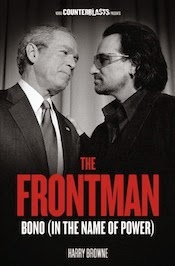
    Harry Browne lectures in Dublin Institute of Technology and is the author of The Frontman: Bono (In the Name of Power). Email:harry.browne@gmail.com, Twitter @harrybrowne
  • Is America’s profit explosion over?

    by Michael Roberts

    US GDP figures were revised down last Friday to -1% annualised growth from -0.1% on the first estimate.  This was mainly due to inventories.  Inventory depletion contributed -1.62% points to growth, compared with the advance estimate of -.57% pts.  In other words, American businesses reduced production and ran down their stocks of unsold goods in early 2014 instead to meet demand.  The consensus view is that businesses will have to restock this quarter and so the US growth rate will pick up now that the terrible winter is over.  We shall see.

    Even more interesting was the data released on profits. US corporations have enjoyed an explosion in profits since the Great Recession ended.  Corporate profits as a share of GDP reached all-time highs (both before and after tax) in 2013.  But in the first quarter of 2014, that changed.
    US profits to GDP
    Before tax corporate profits in Q1 fell absolutely on a year on year basis for the first time since the Great Recession. After tax, there was still some rise in profits but at one quarter of the pace of 2012.
    US profits
    I have argued before that there is a good correlation between the movement in the mass of profit and business investment (see http://thenextrecession.wordpress.com/2010/12/29/profits-and-investment-in-the-economic-recovery/).  Indeed, US corporate profits growth began to slow before US business investment way back in 2003 and fell absolutely towards the end of 2005, while business investment did not drop until the Great Recession began in 2008.  Also profits started to recover one year before investment did.  Since the end of the Great Recession profit growth has dropped from its heady heights at the end of 2009 and has steadily slowed towards zero now.  Business investment growth has followed a year later.  So profits lead investment – they call the tune under capitalism.  If that’s case, business investment could also start falling absolutely by this time next year.

    US profits and investment

    Now it may be that the drop in profit recorded for Q1 2014 is just a blip caused by the bad weather that hit the US during the early part of 2014.  This is what mainstream economists say.  The consensus is that growth will recover sharply in the current quarter that we are now in and the second half of this year will see 3%-plus annualised growth. Again we shall see.

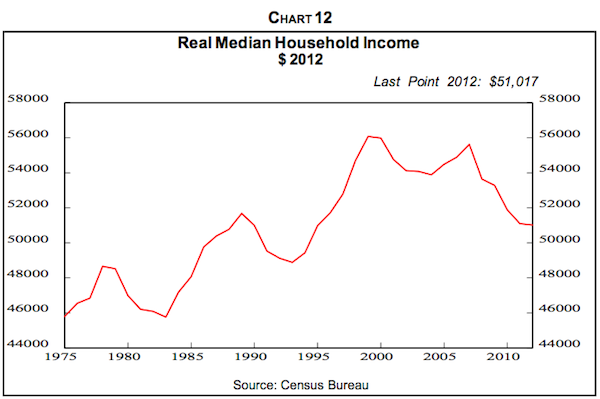
    Since the Great Recession, American corporations have sucked up all the new value created by the labour force while average American households continue to take a hit on real income levels.  The purchasing power of the majority of Americans has not only stagnated since the recovery began five years ago – it has actually declined.  At $53,000, the median US household is more than $4,000 – or 7.6% – poorer in real terms than it was at the start of the recession in 2008, according to Sentier Research.
    Real median household income
    The great debate about inequality of income and wealth provoked by the book from Thomas Piketty
    (see http://thenextrecession.wordpress.com/2014/05/24/piketty-data-and-the-scientific-method/)
    has recently centred on whether inequality of wealth and income really has risen in the last 3o years in the US.  It seems that Mark Carney, the governor of the Bank of England, reckons it has: “Within societies, virtually without exception, inequality of outcomes both within and across generations has demonstrably increased.”  Whatever the evidence, it is clear that US inequality of income has sharply risen since the Great Recession ended, with the profit share rocketing and average real incomes falling.

    The US now has a lopsided economy similar to that in the UK.   During the first four months of this year, the sales of the top 1% most expensive US homes – those worth $1.67m or more – have increased by 21%, according to Redfin, the real estate group. It followed a gain of 35% in 2013 – led by the gilded San Francisco Bay area, where the priciest homes start at $5.35m.  But sales of the bottom 99% of homes have fallen by 7.6% so far this year. The fall in average household incomes is reflected in falling sales at shops for the majority.  At Walmart, the supermarket chain, revenues dropped by 5% in Q1 2014.  At Sears Holdings, sales are down 6.8%, while the discount stores are getting higher sales as Americans search for bargains: the leading retail discounter’s sales rose 7.2%.

    The US stock market hit yet another all-time high last week as cheap money from the Fed and expectations of further increases in profits encouraged rich investors and institutions to plough more cash into stocks and bonds.  That will change if America’s profit explosion has really ended.

  • Uttar Pradesh: PUDR Statement condemning brutal sexual assault and murder of two minors in Badayun

    Barely have the voices of the protests against sexual assault of four minor girls in Hisar district in Haryana subdued, another horrific display of sexual violence has occurred in Badayun district of Uttar Pradesh. Two Dalit cousins – both minors – were brutally gang raped, murdered and hung from a tree on May 27, 2014. […]

  • Religion, Modernity and Politics – Some Reflections on ‘Secularism’

    I am grateful to Ravi Sinha for his post responding to the question of religion and politics that arises out of the brief exchange between Subhash Gatade and myself on Subhash’s post some time ago. Much has happened since the first draft of this response was written and with the advent of Narendra Modi as […]

  • Protest at MN Senator Klobuchar’s office demands: “Zero troops in Afghanistan”

    Minneapolis, MN – Twin Cities area peace and anti-war groups held a protest at the office of Senator Amy Klobuchar, May 30, to respond to President Obama’s announcement that the U.S. plans to leave nearly 10,000 troops in Afghanistan. Organized under the call of “Zero Troops in Afghanistan – Bring All the Troops, Drones and War Dollars Home Now,” about 25 people joined the picket.

    A statement issued by organizers says in part, “While Obama and the Pentagon talk about the war ‘ending,’ the reality is that U.S. troops will remain in Afghanistan and the war and occupation will continue.”

    “The longest war in U.S. history is essentially getting longer. A year from now, or in two years, what new excuse will be available to keep troops involved in a war and occupation that does nothing but harm the people of Afghanistan?” the statement asks.

    The statement concludes, “We say enough. Not one more day, not one more death, not one more dollar for the war and occupation of Afghanistan.”

    Meredith Aby-Keirstead, a member of the Anti-War Committee spoke at the protest, saying in part, “While the president’s speech focused on how the U.S. is ending and changing its operation in Afghanistan, we see the speech as a political smokescreen for the U.S. continuing its war and occupation in Afghanistan.”

    Minnesota Peace Action Coalition initiated the Friday protest. The event was endorsed by AFSCME Local 3800, Anti-War Committee, Freedom Road Socialist Organization, Mayday Bookstore, Military Families Speak Out (Minnesota chapter), Socialist Action, Twin Cities Peace Campaign, Students for a Democratic Society (UMN), Veterans for Peace, Women Against Military Madness, Workers International League.

    Military Families Speak Out, a national network of family members of military personnel issued a call for protests against the decision to keep U.S. troops in Afghanistan.